
Bonsai Trees for Beginners: 7 Easy Trees to Grow and Maintain
Bonsai is a rewarding hobby that combines gardening, creativity, and patience. For beginners, choosing the right tree can make all the difference between success and frustration. While some bonsai species require advanced care and years of experience, others are much more forgiving and adapt well to the learning process.
If you’re just starting your bonsai journey, this guide will introduce you to the best bonsai trees for beginners. These species are known for their resilience, beauty, and ease of care, making them ideal choices for anyone new to the art of bonsai.
Why Choosing the Right Bonsai Tree Matters
Many beginners make the mistake of selecting a bonsai based solely on appearance. While aesthetics are important, it’s equally important to choose a species that matches your experience level and growing environment.
Beginner-friendly bonsai trees typically offer:
• Strong resistance to common mistakes
• Simple watering requirements
• Adaptability to different climates
• Fast recovery from pruning
• Easy maintenance throughout the year
Starting with the right tree allows you to build confidence and develop essential bonsai skills without becoming overwhelmed.
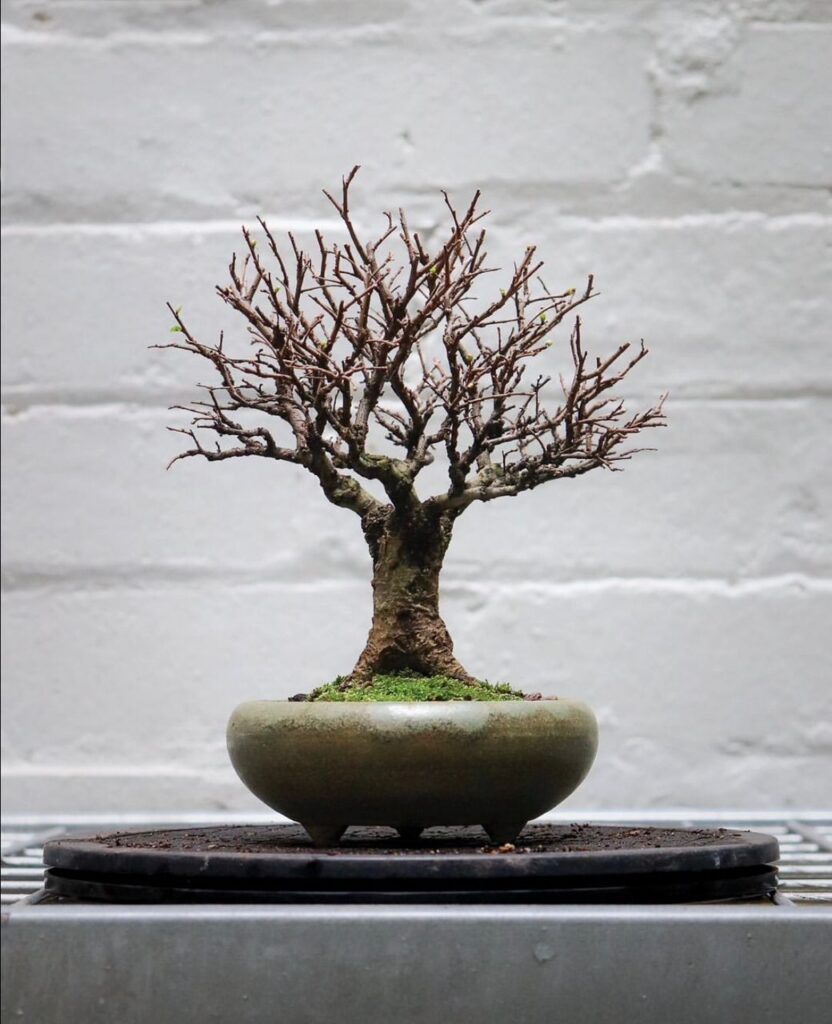
- Chinese Elm Bonsai
The Chinese Elm is often considered one of the best bonsai trees for beginners. Its small leaves, attractive bark, and graceful branching structure make it a favorite among bonsai enthusiasts.
Why It’s Great for Beginners
• Highly adaptable to different environments
• Tolerates pruning very well
• Grows quickly and recovers easily
• Can be grown indoors or outdoors in suitable climates
Care Tips
Chinese Elm bonsai prefer bright sunlight and evenly moist soil. Water thoroughly when the top layer of soil begins to dry out. Regular pruning helps maintain its shape and encourages fine branching.
- Ficus Bonsai
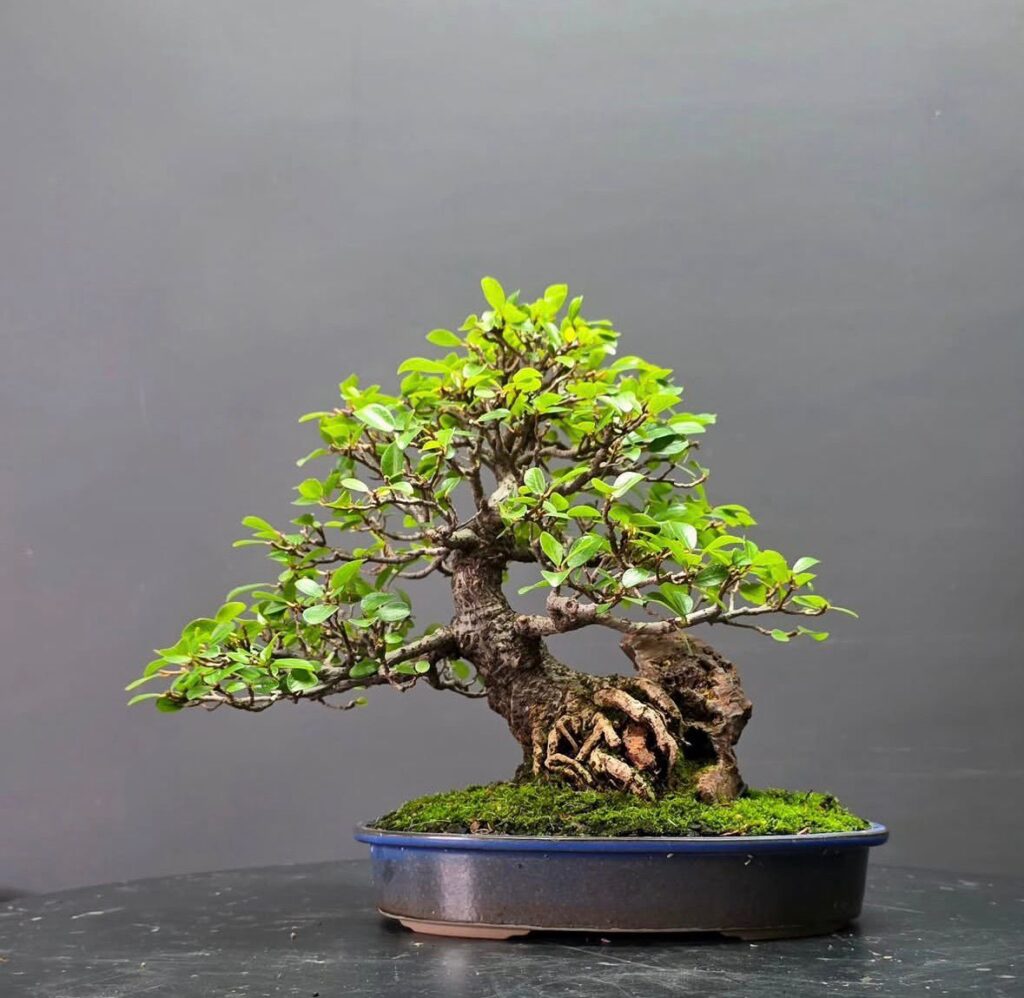
Ficus bonsai trees are among the most popular indoor bonsai species in the world. They are extremely resilient and can tolerate conditions that might stress other bonsai varieties.
Why It’s Great for Beginners
• Excellent indoor bonsai tree
• Tolerates lower humidity levels
• Forgiving of watering mistakes
• Strong growth rate
Care Tips
Place your Ficus bonsai in a bright location with indirect sunlight. Allow the soil surface to dry slightly between watering sessions. During warmer months, regular fertilization will encourage healthy growth.
ficus
- Jade Bonsai
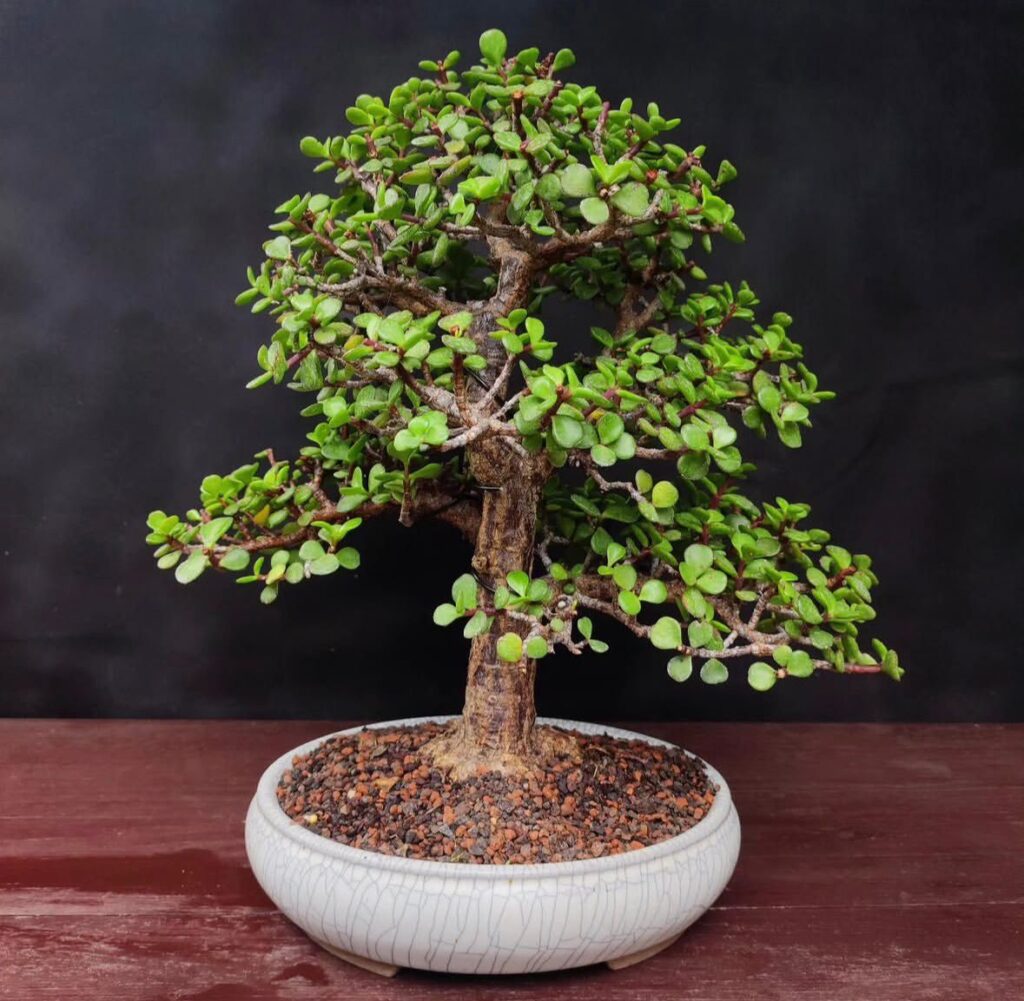
The Jade Bonsai is a succulent that offers a unique appearance and very simple care requirements. Its thick trunk and fleshy leaves create the appearance of a miniature tree while requiring less maintenance than many traditional bonsai species.
Why It’s Great for Beginners
• Drought tolerant
• Requires less frequent watering
• Easy to maintain
• Long lifespan
Care Tips
Jade bonsai thrive in bright sunlight and well-draining soil. Because they store water in their leaves, overwatering is one of the most common mistakes to avoid.
https://httpbonsainest.com/shop
- Juniper Bonsai
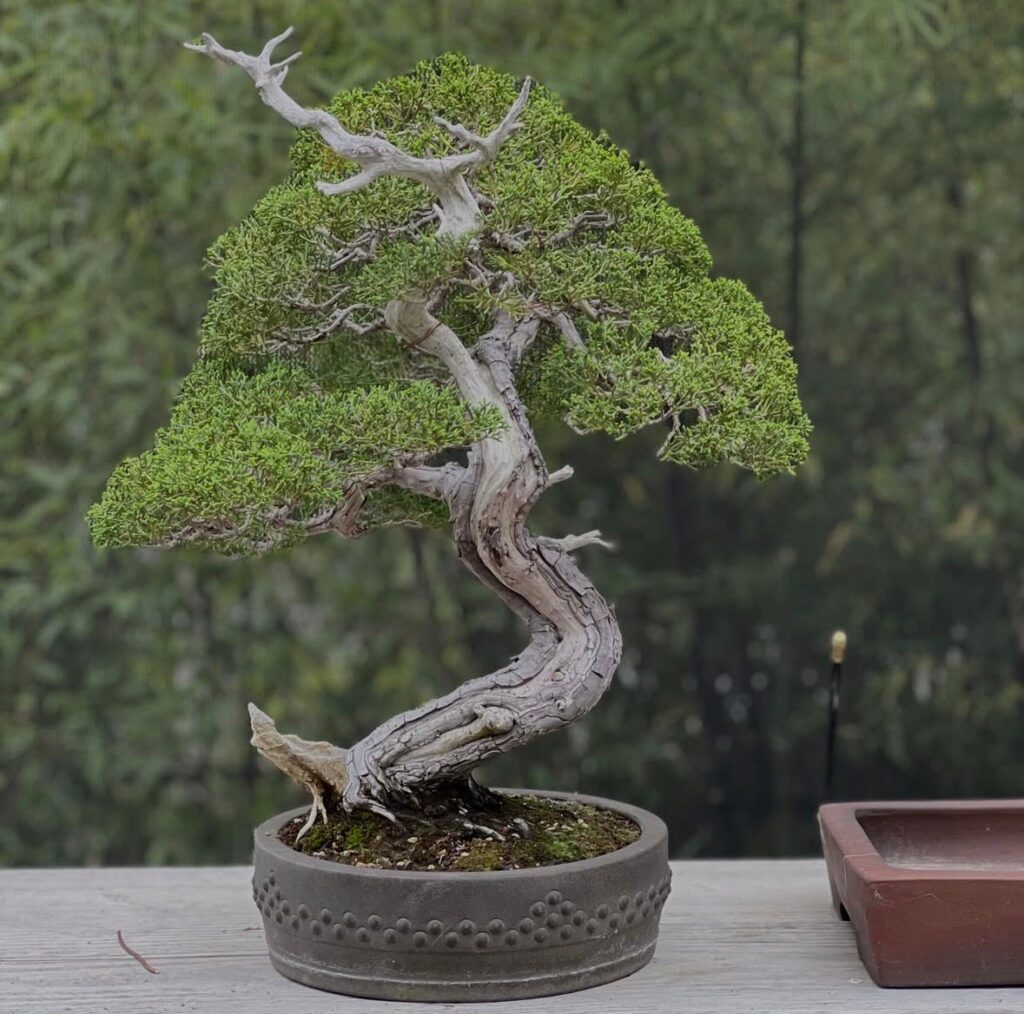
Juniper bonsai are among the most iconic bonsai trees and are often featured in bonsai exhibitions and displays. Their evergreen foliage and rugged appearance make them a beautiful addition to any collection.
Why It’s Great for Beginners
• Hardy and resilient
• Responds well to styling techniques
• Attractive year-round foliage
• Easy to shape and train
Care Tips
Juniper bonsai should be grown outdoors where they receive plenty of sunlight and fresh air. Water thoroughly whenever the soil begins to dry, but avoid constantly wet soil.
- Dwarf Schefflera Bonsai
The Dwarf Schefflera is another excellent option for indoor bonsai enthusiasts. Its tropical nature allows it to adapt well to indoor conditions throughout the year.
Why It’s Great for Beginners
• Easy indoor maintenance
• Flexible branches for shaping
• Fast-growing and adaptable
• Attractive foliage
Care Tips
Provide bright indirect light and maintain moderate soil moisture. Occasional pruning will help create a dense canopy and maintain the desired shape.
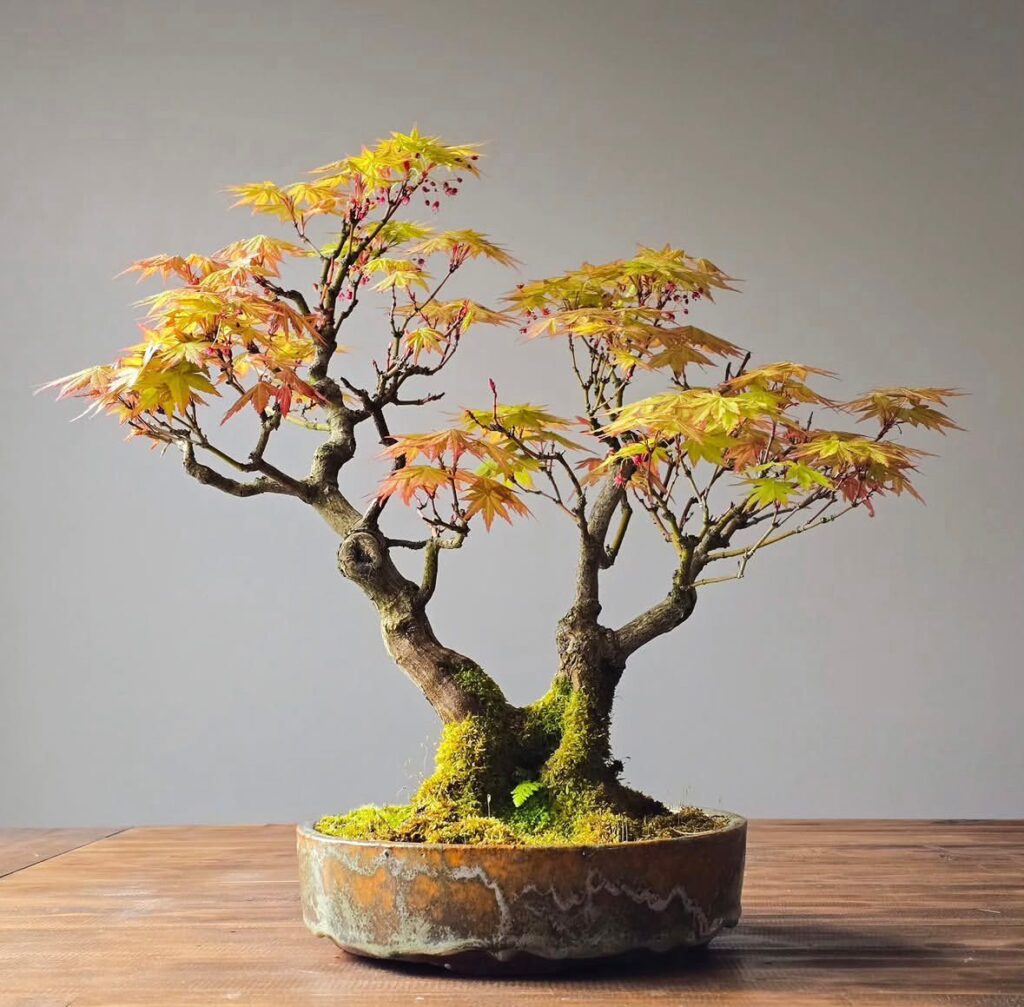
- Japanese Maple Bonsai
Japanese Maple bonsai are admired for their stunning seasonal beauty. Their leaves change color throughout the year, providing visual interest from spring through autumn.
Why It’s Great for Beginners
• Beautiful foliage colors
• Responsive to pruning
• Rewarding seasonal changes
• Widely available
Care Tips
Japanese Maple bonsai prefer partial sun and protection from intense afternoon heat. Consistent watering is essential, especially during warm weather.
- Boxwood Bonsai
Boxwood bonsai trees have dense foliage and a naturally compact growth habit, making them excellent candidates for bonsai training.
Why It’s Great for Beginners
• Easy to shape
• Dense foliage development
• Strong and durable growth
• Suitable for many bonsai styles
Care Tips
Boxwood bonsai prefer outdoor growing conditions with plenty of sunlight. Regular trimming helps maintain a refined appearance and encourages dense branching.
Essential Bonsai Care Tips for Beginners
Regardless of which species you choose, understanding the basics of bonsai care is essential for long-term success.
Watering
Watering is one of the most important aspects of bonsai care. Instead of following a strict schedule, check the soil daily. Water thoroughly when the top layer begins to dry out.
Sunlight
Different species have different light requirements. Outdoor bonsai generally need several hours of direct sunlight each day, while indoor species prefer bright indirect light.
Pruning
Regular pruning helps maintain shape and encourages healthy growth. Remove unwanted shoots and trim back excessive growth throughout the growing season.
Fertilizing
Bonsai trees benefit from regular feeding during active growth periods. A balanced fertilizer applied according to the manufacturer’s instructions will support healthy development.
Repotting
As bonsai trees grow, their roots eventually fill the container. Repotting every few years helps maintain root health and provides fresh soil for continued growth.
Common Beginner Mistakes to Avoid
Many beginners encounter challenges during their first year of bonsai care. Avoiding these common mistakes can significantly improve your chances of success.
• Overwatering the tree
• Keeping outdoor bonsai indoors
• Using poor-quality soil
• Neglecting sunlight requirements
• Over-pruning in a single session
• Forgetting to fertilize during the growing season
Learning from these mistakes early will help you develop healthy bonsai care habits.
Final Thoughts
Starting with the right tree can make your bonsai journey both enjoyable and successful. Chinese Elm, Ficus, Jade, Juniper, Dwarf Schefflera, Japanese Maple, and Boxwood are among the best bonsai trees for beginners because they are resilient, beautiful, and relatively easy to care for.
As you gain experience, you’ll develop a deeper understanding of bonsai techniques such as pruning, wiring, styling, and repotting. For now, focus on choosing a beginner-friendly species and mastering the fundamentals of bonsai care. With patience and consistent attention, your bonsai tree can provide years of enjoyment and become a living work of art.